Phil Lord and Christopher Miller, the masterminds behind the hit movies “Cloudy with a Chance of Meatballs” and “The Lego Movie”, brought their unique talents to a fresh and innovative vision of “Spider-Man: Into the Spider-Verse”. This groundbreaking animated film boasts a first-of-its-kind visual style. “Spider-Man: Into the Spider-Verse” follows the exciting journey of Miles Morales, a Brooklyn teenager, and the endless possibilities of the Spider-Verse where anyone can wear the mask. The movie is directed by Bob Persichetti, Peter Ramsey, and Rodney Rothman, and produced by Avi Arad, Amy Pascal, Phil Lord, Christopher Miller, and Christina Steinberg.
 Photo by link
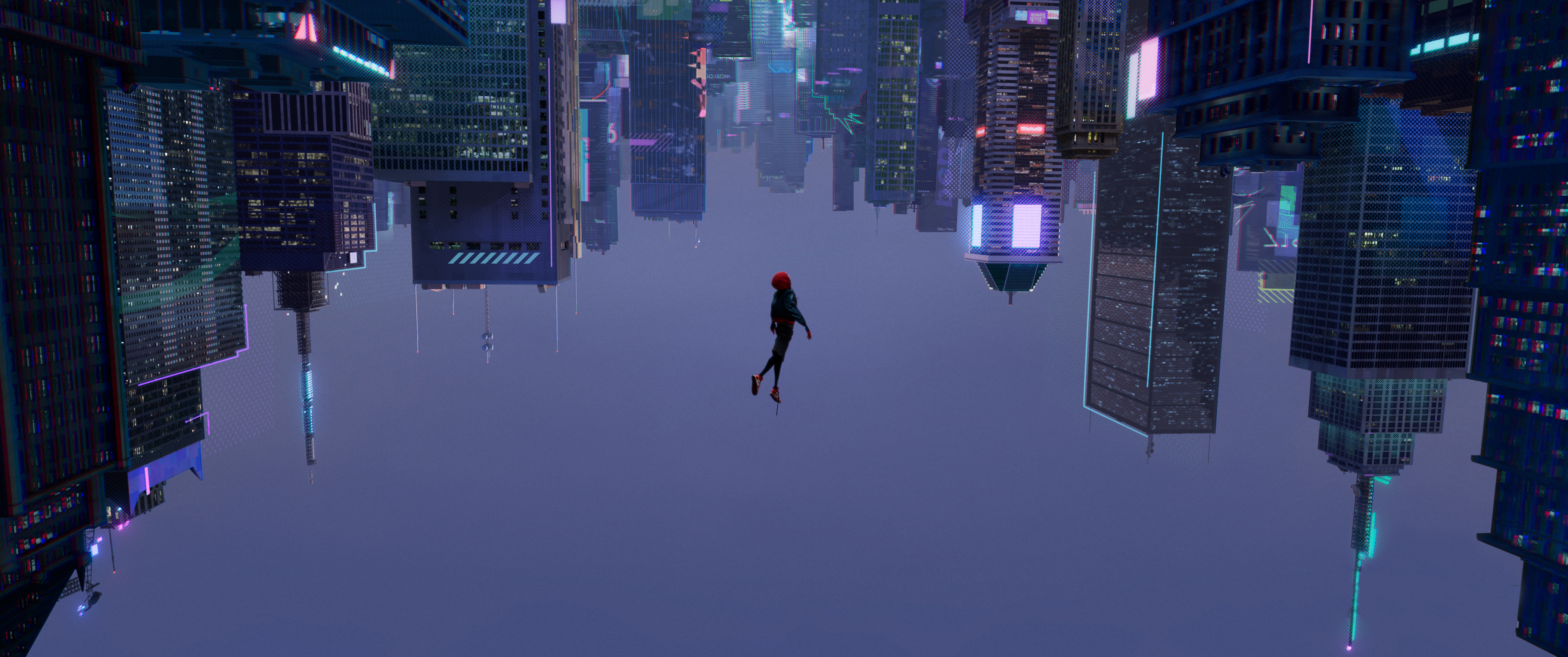
Creating the first-ever animated Spider-Man feature presented an opportunity to explore new and exciting possibilities, particularly in terms of visual style. The film’s appearance was heavily influenced by comic books, with the design and style being prioritized over accuracy or realism. Artists were encouraged to experiment and introduce new ideas without worrying about how it might impact the production process. As a result, the artist’s hand is visible in every shot, including imperfections, giving the film a unique and distinctive look.

Photo by link
To create the new visual style, new technology, pipeline and workflow changes were necessary. Several new techniques were developed, such as rigging and animating facial line work, 2D hand-drawn effects, and stylized rendering. Imageworks asked all departments to rethink what it means to create an animated feature in the spirit of this comic book style.
Animating on Twos
In traditional CG animated films, each second of film consists of 24 images that are held for one frame. However, to achieve a unique graphic and punchy style, some animations use a technique called stepped animation or animating on twos. When animating on twos, every image is held for two frames, using only 12 images for every one second of film. This technique provides a distinct illustrated visual style to the film, especially for fast-paced action sequences. It gives each frame a distinct image, similar to a panel in a comic book.

New Rendering Style
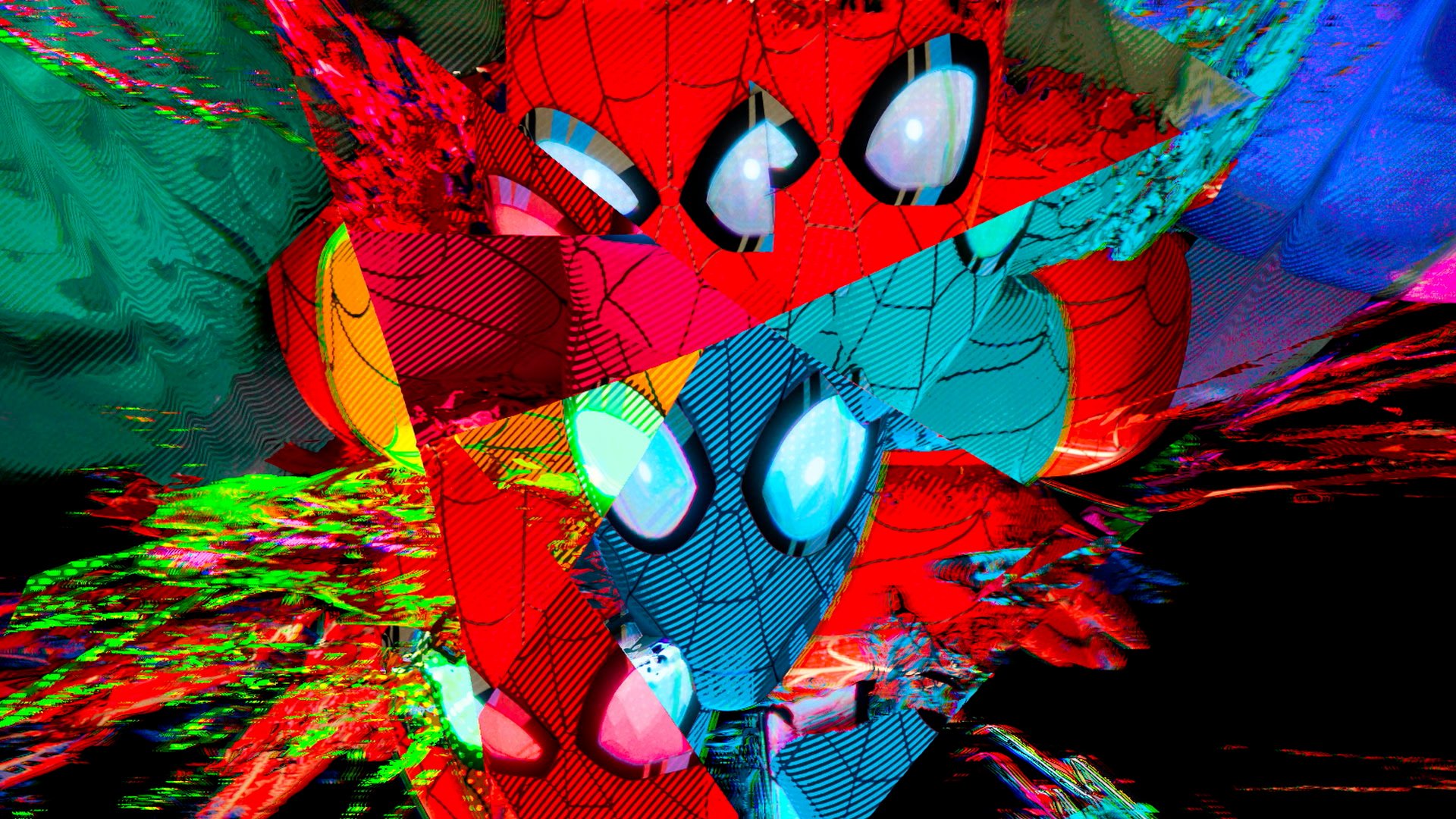
The film’s appearance was significantly shaped by techniques found in comic book printing, making extensive use of half-toning and line hatching. Instead of relying on traditional CGI, the Spider-Verse embraces diverse rendering styles, including elements drawn by hand. The rendering and compositing process integrates graphic shapes, vibrant colors, well-defined composition, and simplified design, all with the aim of capturing the raw emotion of illustration. To realize this objective, the preference is for halftoning and line hatching over soft gradations, evoking the style of classic comic book printing. Furthermore, the stylization of material rendering is prominent.